

Safal Uganda Baati Foundation Hosts Kenya’s Mabaati Rolling Mills (MRM) Foundation Leadership and Angaza Centre Foundation Donors for Computer Handover in Tororo
June 12, 2026
Housing Finance Bank Launches Trust Savings Account to Give Customers Greater Value Through Higher Returns and Built-in Financial Protection
July 8, 2026Building Smarter, Faster, Better: Why More Businesses are turning to Pre‑Engineered Construction
In today’s fast moving economy, the biggest cost in construction is no longer just materials, it is time. As industries expand and demand for infrastructure grows, developers are increasingly shifting away from slow, conventional building methods to smarter, faster alternatives.
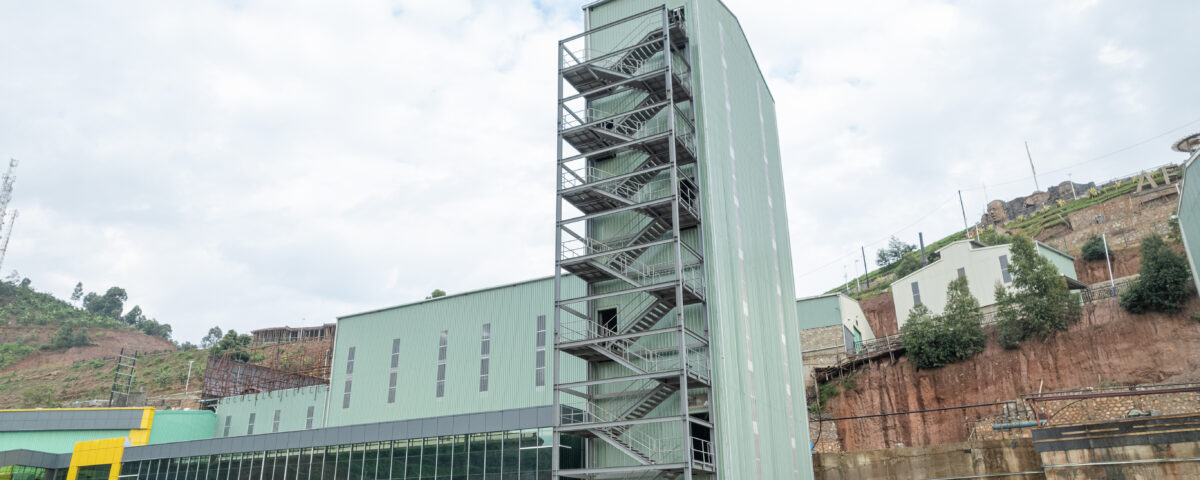
At the forefront of this transition is Uganda Baati, revamping its SAFBUILD Pre‑Engineered Building (PEB) solution, a modern construction approach designed to meet the needs of an evolving market.
The End of “Wait-and-Build” Construction
Traditional brick-and-mortar construction has long been the default across Uganda, but it comes with a heavy trade-off: time. Projects can take anywhere from six months to two years to complete exposing developers to fluctuating material costs, labour inefficiencies, and delayed returns on investment.
By contrast, SafBuild structures are completed in as little as 12 weeks, dramatically compressing project timelines and enabling businesses to start operations sooner.
“In construction, time is money. Every extra month spent building is a missed opportunity to start generating value,” notes the Uganda Baati CEO.
What Makes Pre‑Engineered Buildings Different?
Pre‑engineered buildings take a fundamentally different approach:
- Structures are designed digitally with precision engineering software
- Components are fabricated in the Factory under controlled conditions
- Buildings are delivered as a ready-to-assemble kit
This method eliminates guesswork, reduces waste, and ensures consistent quality from start to finish.
Efficiency that drives business growth
The rise of PEBs is not just a local trend, it’s a global shift. With the global pre-engineered building market projected to nearly double by 2030, businesses are embracing solutions that offer:
- Up to 50% faster construction timelines
- Cost predictability and reduced waste
- Scalable and flexible designs
- Long-term durability with reduced maintenance needs
For developers, manufacturers, and investors, this translates into faster occupancy, improved cash flow, and better project certainty.
Transforming Uganda’s Industrial Landscape
Across Uganda, pre-engineered buildings are already making a tangible impact. SafBuild solutions have been successfully deployed in major projects, including:
- Industrial facilities such as the Inspire Africa Coffee Park
- Institutional buildings like Mountains of the Moon University
- Public infrastructure including Uganda Wildlife Authority Visitor Centres
These projects demonstrate how modern construction methods can deliver high-quality infrastructure in record time, supporting the country’s industrialisation goals.
A Smarter Way to Build the Future
As urbanisation accelerates and demand for infrastructure rises, the question is no longer whether to adopt new building technologies but how quickly.
Pre-engineered buildings offer a clear answer: build faster, build smarter, build for the future.
“Construction is changing. Businesses today need solutions that save time, reduce costs, and deliver consistent quality,” the CEO emphasized. “Pre-engineered buildings are not just an alternative — they are the future of construction.”